
When a person dies what will be necessary steps to be taken to sale an immovable property belongs to the deceased?
The Problems
In any sale of immovable property, the Vendor shall consent to the sale. Most of the time the consent is by way of signing or affix his thumb print on the sale and purchase agreement and any other required documents. However, if the Vendor shall passes away such affair no longer possible.
Legally to sell the immovable property, a personal representative shall be appointed. The appointment of personal representative depend on the nature and value of the deceased property. If the value of the deceased property is more than RM 2 million only the High Court has jurisdiction in granting letter of administration and grand of probate. If the value of the decease property is less than RM2 million summary of which is as below:-
With Immovable Property (Property Value Less than 2 million)
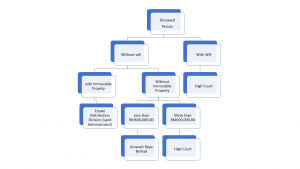
If the jurisdiction of the deceased estate vested in the high court it may take as little as 3 weeks for an appointment of personal representative. Normally it takes about 1 to 3 months.
If the deceased estate worth less than RM2 million in total (and consist of wholly/partially immovable property) and die without will, Land Administrator, Estate Distribution Division, Department of General of Land and Mines shall have jurisdiction. It may take longer time for appointment of personal representative. Sometimes it may take about 6 months to 12 months or even longer.
Once the personal representative has been appointed and provided that:-
- there is no encumbrances and caveat over the property (in layman terms all the loan has been settled); or
- the personal representative has sufficient assets to cause all the encumbrances and caveat to be removed;
The immovable property maybe transferred under the beneficiaries name and in which the beneficiaries can sell the property.
The problem lies in the situation where the personal representative cannot meet item (i) and (ii) above. Which means the immovable property will be under the personal representative name until the encumbrances and caveat over the immovable property are removed. Normally, it can only be removed provided there sufficient assets to settle whatever outstanding over the Property. With lack of resources it maybe difficult or sometimes impossible. However, the personal representative may sell the immovable property subject to the sanction of the court. The governing law is Section 60 Probate and Administration Act 1959, which states that:-
Power of personal representative to dispose of property
60. (1) In dealing with the property of the deceased his personal representative shall comply with this section.
(2) unless the Court otherwise directs, no sale, transfer, conveyance or assent in respect of immovable property shall be made without the concurrence of all the personal representatives of the deceased, and subject as aforesaid, where there are several personal representatives the powers of all may, in the absence of any direction to the contrary in the will or grant of administration, be exercised by any one of them.
(3) A personal representative may charge, mortgage or otherwise dispose of all or any property vested in him, as he may think proper, subject to any restriction which may be imposed in this behalf by the will of the deceased, and subject to this section
Provided that an executor may dispose of any property notwithstanding any restriction so imposed, if he does so in accordance with an order of the Court.
Normally, the court will not object to the personal representative application for an order for disposal of property if all the personal representative and beneficiary agreed to the disposal. In such condition it will only take 1 to 3 months for the court to sanction the sale.
Warning: Trying to access array offset on false in D:\InetPub\vhosts\lychambers.com\httpdocs\wp-content\themes\flatsome\inc\shortcodes\share_follow.php on line 29
